Effortlessly manage data through preview, delete, export, etc.

 100% Security Verified | No Subscription Required | No Malware

 :
: 
 ChatGPT
 Perplexity
 Gemini
 Claude
 Grok
Grok

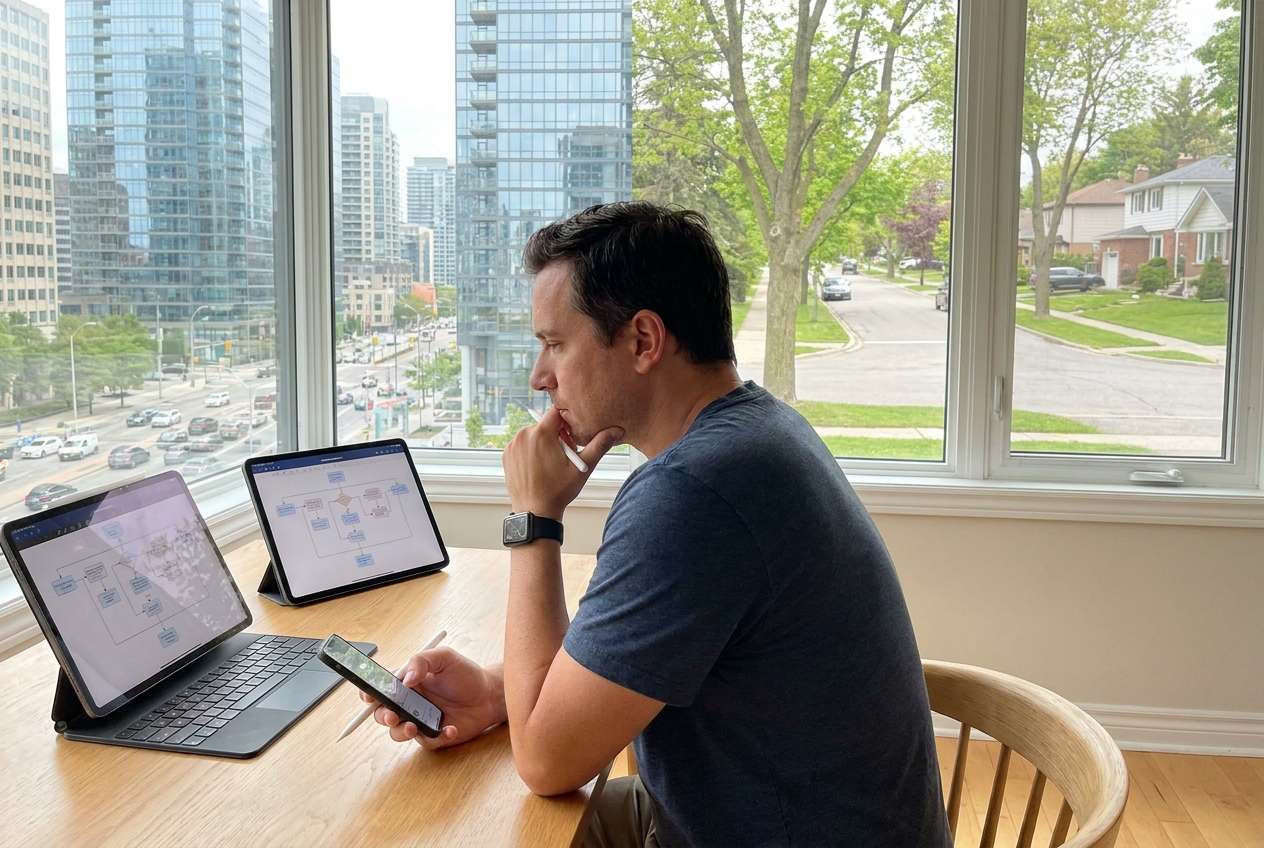
I can’t tell if I should stick to downtown routes for faster sessions or play in the suburbs where it’s calmer. Everyone says “urban is better,” but my routine doesn’t match the advice.
Reddit user, r/pokemongo
Generic “urban is better” or “suburban is easier” takes miss what actually drives satisfaction: your schedule, your tolerance for friction, and what “progress” means to you. Most regret comes from choosing a path that conflicts with daily life, not from picking the “wrong” option.
AI helps by turning fuzzy preferences (more fun, less grind, safer routes, better community) into explicit trade-offs you can weigh. Instead of debating opinions, you can compare how each path performs against your constraints.
AI can’t validate on-the-ground realities like local safety at night, signal dead zones, park hours, or whether the community is active where you live. After you decide, the practical follow-through (moving, switching devices, transferring data, or prepping an old phone) is where execution matters.
In this article
- How to compare urban vs suburban paths based on real priorities
- What “best” actually depends on
- The urban vs suburban tension
- A quick pros/cons snapshot
- Consistency as the deciding factor
- What the AI needs to compare
- Using AI prompts to evaluate more clearly
- When to stop researching and make the call
- After choosing: switch or test smoothly with Dr.Fone
Part 1. How to Compare Urban and Suburban Location Game Paths Based on Real Priorities
1-1. What “best” actually depends on
If you’re choosing between an urban path (dense stops, frequent encounters, more drop-in opportunities) and a suburban path (more travel between points, quieter routes, more planning), the “best” choice depends on how you actually play—during commutes, on lunch breaks, on weekends, or in short bursts between errands.
1-2. The core tension: efficiency vs calm
The tension is usually this: urban play can be efficient but chaotic (crowds, interruptions, parking, time pressure), while suburban play can be calmer but slower (distance, fewer spontaneous opportunities, more dependence on a car or planned routes).
1-3. Quick pros and cons snapshot
Urban paths (typically)
- More dense points/encounters for shorter sessions
- More spontaneous “drop-in” opportunities
- Often easier to find community activity
Suburban paths (typically)
- Calmer routes and fewer interruptions
- More control over pacing and comfort
- But more distance, planning, and fewer quick wins
1-4. Consistency is what makes a path feel rewarding
A useful comparison focuses less on what each location offers in theory and more on what you can reliably access with your time, mobility, and comfort level—because consistency is what makes a path feel rewarding.
Part 2. What the AI Needs to Compare
Share a few details so the AI can map each path to your real-life constraints:
- Your typical play windows (weekday vs weekend, minutes per session, time of day)
- Your mobility (walk-only, transit, car) and how far you’re willing to travel
- Your priority outcome (fast progression, social play, collection, competition, relaxing routine)
- Your tolerance for friction (crowds, parking, weather, detours, waiting)
- Safety/comfort preferences (night play, secluded routes, busy streets)
- Your local reality (access to downtown, nearby parks, signal reliability)
- Whether you’re likely to move soon (or split time between two areas)
Part 3. Using AI Prompts to Evaluate Urban and Suburban Location Game Paths More Clearly
Use these prompts to force clear trade-offs—then decide with fewer “what ifs.”
3-1. Level 1: Basic Prompt
I’m choosing between an urban and a suburban location game path. Ask me the minimum questions needed to recommend one based on my routine and constraints, then give a simple comparison of what each path is better for.
3-2. Level 2: Advanced Prompt
Help me compare urban vs suburban game paths using my priorities, not generic advice. Create a side-by-side evaluation based on: consistency with my schedule, travel friction, safety/comfort, social/community access, and how “progress” will feel day-to-day—and conclude who each option fits better.
3-3. Level 3: Evidence Prompt
Here’s my context: **[paste your schedule, mobility, preferred play times, comfort/safety constraints, and how far you’ll travel]**. Recommend either an urban or suburban path for me. For each option, list **what I gain and what I give up**, and name **one key assumption** (about my routine or local access) that—if wrong—would flip your recommendation.
3-4. Prompt Refinement
If I can only play in **two 20-minute windows on weekdays**, which path is more sustainable, and what will I likely resent after two weeks?
If my main goal is **steady progress without planning**, which path reduces “missed opportunity” feelings, and why?
What’s the **most likely regret point** for each path (urban and suburban) given my constraints—and how can I test that regret quickly?
If I split time **50/50 between city and suburbs**, should I commit to one path or adopt a hybrid routine? Give a rule for when to choose each.
What local factor matters more than people admit (e.g., **parking, park hours, dead zones, crowd flow**) that could invalidate a “best path” recommendation?
3-5. AI Recommendation vs Real-World Fit
| Likely AI recommendation or conclusion | What real-life use may change or reveal |
|---|---|
| “Choose urban for faster, denser, more efficient sessions.” | Crowds, interruptions, safety concerns, or parking friction can make “efficient” feel exhausting. |
| “Choose suburban for calmer, more routine-friendly play.” | Distance and fewer points can make progress feel slow unless you enjoy longer routes or planned loops. |
| “Pick the option that matches your available time windows.” | Weather, daylight, and local route quality can shrink usable play windows more than you expect. |
| “Community access tips the scale toward urban.” | Your local community might actually be stronger in specific suburban hubs—or inactive downtown at your play times. |
AI can clarify likely fit and trade-offs, but hands-on use—workflow friction, local route reality, and daily habits—ultimately decides whether the path feels satisfying.
Part 4. When to Stop Researching Urban and Suburban Location Game Paths and Make the Call
- You can state your top two priorities (e.g., “consistent short sessions” + “low friction”) and see which path serves them better.
- You know your biggest non-negotiable constraint (safety, travel distance, time of day) and which option violates it less often.
- You can name the main regret risk for each option and you have a quick way to test the risk in real life.
- You’ve chosen a default routine (where/when you’ll play most weeks) rather than optimizing for rare “perfect” days.
Once you can predict what your average week will feel like on each path, you’re ready to pick—and stop debating edge cases.
Part 5. After Choosing Urban and Suburban Location Game Paths: Switch or Test Smoothly with Dr.Fone
After you choose, the practical work is often about reducing friction: moving between areas, switching phones, consolidating accounts/media, or cleaning up a device before resale so your game-related data and daily essentials don’t get messy. If you want to quickly test route feel (urban density vs suburban loops) before committing, Dr.Fone - Virtual Location can help you simulate different map routes and movement styles.
 Set your map route to simulate GPS movement.
- Set your wanted movement speed.
- HD and large map view to check location.
- Fake GPS location to anywhere.

-
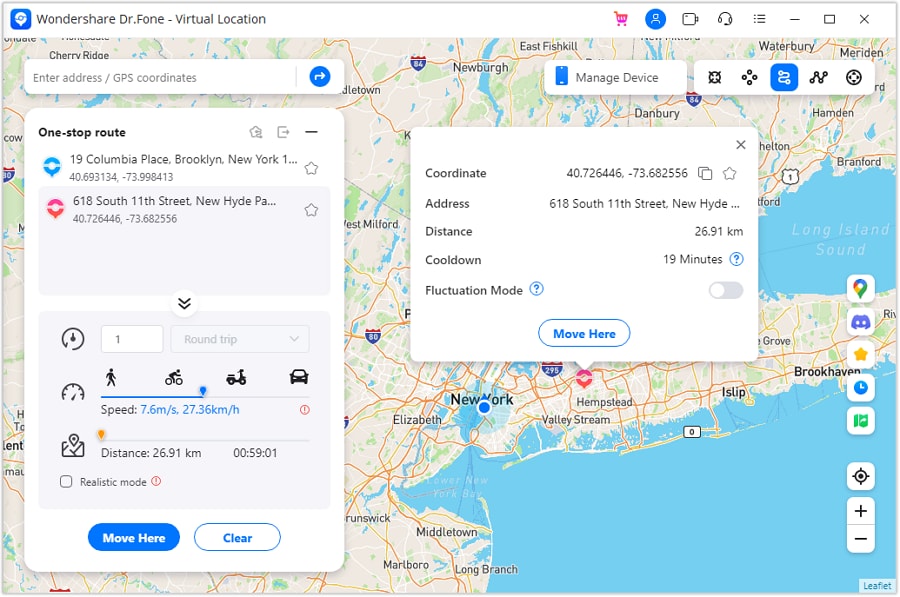
Step 1 Activate route mode to test a path style
Choose a route simulation mode so you can evaluate what an “average session” would feel like (short, dense urban-style loops vs longer suburban-style loops).
-
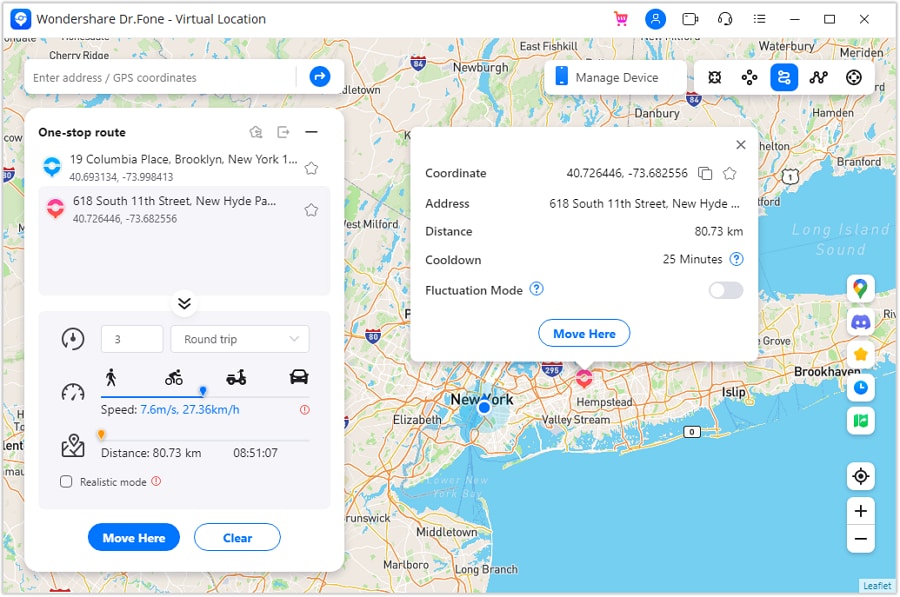
Step 2 Set parameters to match your real constraints
Set movement parameters (like speed and stops) to reflect how you actually play—so the comparison stays grounded in your routine.
-
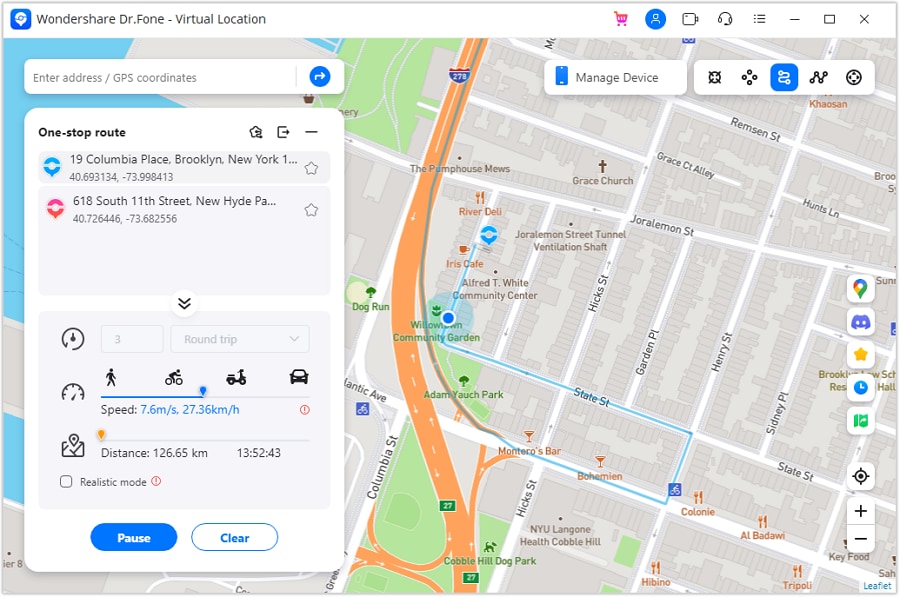
Step 3 Run the simulation and note “friction” points
Do a short test run and capture what would likely annoy you over two weeks (too much stopping, too much distance, too much planning).
-
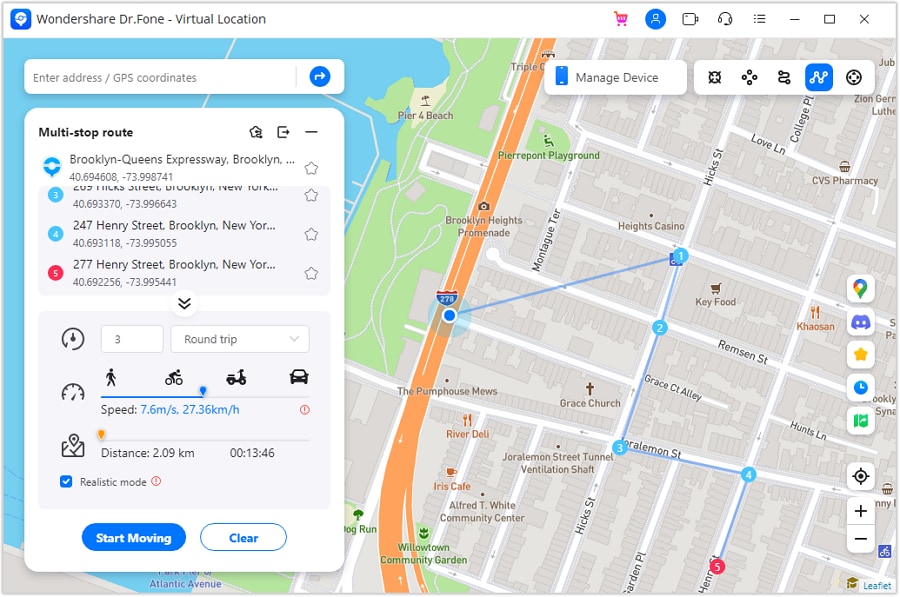
Step 4 Try multi-stop loops for a more realistic routine
Set a multi-stop route to mimic repeatable weekly loops, then compare which option feels more sustainable.




Conclusion
AI is best used here as decision support: it helps you name priorities, expose trade-offs, and predict regret points—while real-world sessions are the final proof of fit. Once you’ve chosen a path, tools like Dr.Fone can help with the practical follow-through (transfer, backup, cleanup) so the switch feels smooth rather than stressful.
FAQ
-
Can I trust AI to tell me whether urban or suburban is “better”?
Trust it for structured reasoning and trade-offs—not for on-the-ground truth like safety, signal quality, or whether your local community is active at your play times.
-
What’s the single most important trade-off between urban and suburban paths?
Consistency vs friction: urban often enables dense, efficient sessions but can add crowd/parking/time pressure; suburban often lowers chaos but can add distance and planning.
-
How do I avoid a spec-style comparison that doesn’t match real life?
Anchor the decision to your weekly routine: play windows, mobility, tolerance for interruptions, and how you define “a good session” (progress, calm, social, exploration).
-
What should I test before committing to one path?
Do two real sessions per option at your most common play time (not your ideal time), then compare: time-to-start, interruptions, comfort, and whether you’d repeat it next week.
-
If I’m switching phones or moving areas, what should I prepare after choosing?
Make sure your essential personal data is transferred/backed up, confirm your account sign-ins are accessible, and if you’re selling a phone, clean it properly after verifying what you need is already moved.
 Add Wondershare Dr.Fone as a preferred source on Google