Effortlessly manage data through preview, delete, export, etc.

 100% Security Verified | No Subscription Required | No Malware

 :
: 
 ChatGPT
 Perplexity
 Gemini
 Claude
 Grok
Grok
Activation Lock is Apple’s anti-theft security feature for iPhone (and other Apple devices) that links a device to the owner’s Apple Account (Apple ID). If the device is erased, reset, or reactivated, it may require the Apple Account credentials to finish setup and be used again.
In plain English, it helps prevent someone else from using your iPhone if it’s lost or stolen—even if they wipe it. The key takeaway: Activation Lock is designed to protect ownership, so the safest solutions always involve the correct Apple Account or official Apple recovery steps.
In this article
- Part 1. What Activation Lock Is Used for and Why It Matters
- Part 2. How Activation Lock Works and Where to Find It
- Part 3. How to Use, Enable, or Check Activation Lock
- Part 4. Activation Lock vs Related Features and Common Problems
- Part 5. When Dr.Fone Helps With Activation Lock and What to Keep in Mind
Part 1. What Activation Lock Is Used for and Why It Matters
Activation Lock is Apple’s core anti-theft mechanism that binds your iPhone to your Apple Account. Once enabled, it prevents unauthorized users from reactivating the device—even after a factory reset—making stolen or lost iPhones far less valuable.
1-1. Core uses and real-world scenarios
Activation Lock matters because it makes an iPhone far less valuable to thieves and helps legitimate owners regain control after loss, theft, or an unexpected reset. It’s tightly tied to Apple’s “Find My” ecosystem, so it protects both your data and your ownership claim.
Real-world scenarios where people encounter Activation Lock include:
- You lost your iPhone: Find My and Activation Lock help keep others from reactivating it after erasing.
- Your iPhone was stolen: Even if a thief resets the device, they may still be blocked at activation.
- You forgot your Apple Account details: After an erase or major reset, the iPhone may request the Apple Account used previously.
- You bought a used iPhone: If the prior owner didn’t sign out and turn off Find My, the device can show an Activation Lock screen.
- You’re handing down a phone in the family: If you don’t properly sign out and erase, the next user can be locked out.
- A repair or replacement event: After service or a restore, the device may need the linked Apple Account to complete setup.
Audience segments this affects most: everyday consumers upgrading phones, secondhand buyers/sellers, families sharing devices, and small teams managing a few iPhones without formal IT.
1-2. Who needs it most
Activation Lock is most relied on by:
- People who carry their iPhone everywhere (commuters, travelers, students), where loss/theft risk is higher.
- Users who store sensitive data (photos, messages, banking apps), where device-level security matters.
- Anyone who buys/sells used iPhones, because ownership transfer requires the prior owner to remove the device from their account.
- Parents and families sharing older iPhones, where devices change hands often.
- Small organizations without dedicated device management, where Apple Accounts are used casually but still bind devices.
Part 2. How Activation Lock Works and Where to Find It
2-1. How it works
At a high level, Activation Lock works by linking your iPhone to your Apple Account when you turn on Find My. Later, if the iPhone is erased or set up again, Apple’s activation process checks whether the device is still associated with an Apple Account and may require that account to proceed.
- Apple Account binding: The device becomes associated with the Apple Account signed in on the iPhone.
- Find My state: Activation Lock is enabled as a consequence of enabling Find My iPhone (part of the Find My service).
- Activation check during setup: During iOS setup/activation, the iPhone contacts Apple’s activation servers to confirm lock status.
- Credential requirement: If locked, the iPhone requests the Apple Account email/phone and password (or equivalent account recovery completion).
- Erase vs. unlock distinction: Erasing an iPhone does not remove Activation Lock; it can still be locked after a wipe.
- Ownership transfer dependency: To hand off a device, the prior owner must sign out/disable Find My or remove the device from their account.
2-2. Where to find it
You typically won’t see a single “Activation Lock” switch in Settings. Instead, you manage it through Find My and your Apple Account sign-in.
On iPhone (common path on recent iOS versions):
- Settings → tap your name / Apple Account at the top → Find My → Find My iPhone (and related toggles)
If you’re looking in Settings, use the Settings search bar and try keywords like:
- “Find My”
- “Find My iPhone”
- “Apple Account” or “iCloud” (older wording some users still use)
Platform/brand notes:
- On older iOS versions, the Apple Account section may appear as iCloud in Settings.
- On iPad, the paths are similar; on Mac, Find My is managed in System Settings/System Preferences and the Apple Account area.
- On the web, ownership and device association can be managed via Apple’s account and Find My web experiences (exact menus can change over time).
Part 3. How to Use, Enable, or Check Activation Lock
3-1. How to use, enable, disable, or check it
Because Activation Lock is an anti-theft feature, the safe and official way to “use” it is to keep Find My enabled and ensure you can access your Apple Account and recovery options.
Practical steps to enable/check status (official, safe):
-
Step 1 Sign in to your Apple Account on the iPhone: Go to Settings and confirm you’re signed in at the top.
-
Step 2 Turn on Find My iPhone: Settings → [your name] → Find My → Find My iPhone → enable it.
-
Step 3 Confirm account recovery options: In your Apple Account settings, verify trusted phone numbers, email, and recovery methods so you can regain access if needed.
-
Step 4 Before selling or giving away your iPhone: Sign out of your Apple Account on the device and follow Apple’s official erase/transfer steps so the next user won’t be blocked.
If you’re buying a used iPhone, the safest “check” is operational: ensure it’s on the Hello setup screen and can proceed without asking for someone else’s Apple Account. If it prompts for another person’s credentials, stop the transaction until the seller removes the device from their account.
3-2. Requirements and compatibility
Key requirements and behaviors (table-ready):
| Requirement/behavior | What it means for Activation Lock |
|---|---|
| Apple Account sign-in | Activation Lock is tied to the Apple Account that enabled Find My on that iPhone. |
| Find My toggle | Typically must be enabled for Activation Lock to be active; managed under Find My settings. |
| Internet connectivity | iPhone activation checks generally require a network connection (Wi‑Fi or cellular) to contact activation services. |
| Device passcode vs. Apple Account | A device passcode protects local access; Activation Lock protects reactivation after erase/reset. |
| Supported systems/devices | Applies to iPhone broadly across modern iOS versions where Find My is available (exact UI wording varies by iOS generation). |
| Offline behavior | You can use many iPhone features offline, but setup/activation and lock-status checks typically require connecting to Apple’s servers. |
| Ownership changes | To avoid lockouts, the current owner must remove the device from their Apple Account before transfer. |
Part 4. Activation Lock vs Related Features and Common Problems
4-1. Activation Lock vs related features
Activation Lock is often confused with other locks. The main differences are purpose and when they apply:
Activation Lock vs iPhone passcode/Face ID/Touch ID
- Purpose: Passcode/biometrics protect everyday access; Activation Lock protects the device from being reactivated by someone else after erase/reset.
- Scope: Passcode is local to the device; Activation Lock is tied to the Apple Account and checked during activation.
Activation Lock vs Screen Time passcode
- Purpose: Screen Time limits usage and settings changes; it does not prove ownership during activation.
Activation Lock vs carrier (SIM) lock
- Purpose: Carrier lock restricts which networks you can use; it does not control Apple Account activation.
Activation Lock vs MDM (Mobile Device Management)
- Purpose: MDM is an organization’s management layer for enrolled devices; Activation Lock is Apple’s anti-theft ownership protection. (In managed environments, both can affect setup in different ways.)
4-2. Common issues and misconceptions
Use this symptom → likely reason → what to check next approach:
- Symptom: “iPhone locked to owner” or activation screen asking for an Apple Account you don’t recognize
Likely reason: Find My was enabled under a previous owner’s Apple Account
What to check next: Contact the seller/previous owner to remove the device from their Apple Account; request proof of ownership and use official transfer steps. - Symptom: You erased your iPhone, and now it asks for your Apple Account, but you forgot the password
Likely reason: Activation Lock is working as designed
What to check next: Use Apple’s official account recovery (reset password, confirm trusted number/email). Avoid “unlock” services that promise removal without proof—they’re often unsafe or fraudulent. - Symptom: You can’t turn off Find My iPhone in Settings
Likely reason: You must authenticate with your Apple Account password, or device restrictions/management may be in place
What to check next: Confirm you’re signed in with the correct Apple Account; check for Screen Time restrictions or organizational management, then follow official guidance. - Symptom: You bought an iPhone “factory reset,” but it still shows Activation Lock
Likely reason: Resetting doesn’t remove the Apple Account association
What to check next: Don’t proceed with workarounds; return the device or have the seller remove it properly from their account. - Symptom: Confusion about “iCloud Activation Lock” terminology
Likely reason: People use older terms; Apple now commonly refers to the Apple Account and Find My
What to check next: Look for Find My settings and Apple Account sign-in status rather than relying on older wording.
Part 5. When Dr.Fone Helps With Activation Lock and What to Keep in Mind
5-1. When Dr.Fone - Screen Unlock (iOS) can help
Activation Lock is an ownership safeguard, so the primary fix is always through the correct Apple Account or Apple’s official recovery process. That said, users often face adjacent problems—like a forgotten screen passcode, an iPhone stuck during updates, or the need to back up and restore data—where Wondershare Dr.Fone tools (such as the Screen Unlock family) may help as part of legitimate troubleshooting. It can be relevant when you’re trying to regain normal device access you’re entitled to, prepare a device for repair, or stabilize iOS so you can complete official sign-in and recovery steps.
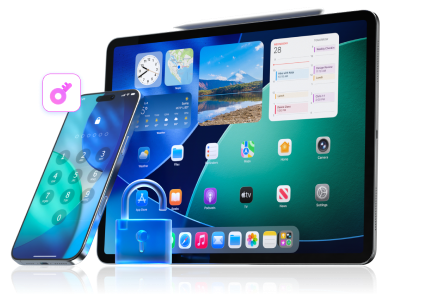
 Unlock iPhone/iPad passcode in minutes.
- Remove Face ID, Touch ID, MDM lock, and screen lock.
- Bypass iCloud Activation Lock easily.
- Support all iOS versions and devices.
- Simple steps, no technical skills needed.
- If you can still access the phone: consider backing up important data and checking Apple Account/Find My settings before any reset.
- If you forgot the passcode: use legitimate device-access recovery options (and tools designed for device passcodes) so you can sign in to your Apple Account normally afterward.
- If the device is stuck or unstable: try iOS repair/recovery approaches to restore a normal boot and activation flow, then complete Apple’s official account steps.
5-2. Security, privacy, and compliance notes
Activation Lock exists to protect the rightful owner and reduce theft incentives. It also helps keep personal data safer by preventing unauthorized reactivation after a wipe. Because it is an anti-theft control, you should stop and use official paths when ownership or authorization is unclear.
Use official recovery or verification when:
- You don’t know the Apple Account currently linked to the iPhone.
- You purchased a secondhand device and the seller can’t (or won’t) remove it from their account.
- You can’t access the trusted phone number/email needed for account recovery.
- You lack proof of purchase for a device you’re trying to reclaim.
In these situations, the correct next step is to work with the original owner (for device removal) or Apple Support using account recovery and ownership verification—rather than attempting any form of unauthorized removal.




Conclusion
Activation Lock is Apple’s anti-theft feature that ties an iPhone to the owner’s Apple Account through Find My, preventing unauthorized reactivation after a reset. It matters because it protects both ownership and data, and the safest next step for lock issues is always official Apple Account recovery or verified owner removal before any device transfer.
FAQ
-
What is Activation Lock on iPhone?
It’s an anti-theft feature that links your iPhone to your Apple Account when Find My is enabled, and it can require that account during activation after an erase or reset. -
Activation Lock meaning vs iPhone passcode—are they the same?
No. The iPhone passcode controls day-to-day access to the device, while Activation Lock controls whether the iPhone can be activated and set up again after being erased. -
What does “iCloud Activation Lock” mean?
It’s a common older phrase referring to Activation Lock tied to Apple’s cloud services and Find My. Today it’s best understood as an Apple Account + Find My ownership lock. -
How do I check if Activation Lock is enabled?
Check whether you’re signed in to your Apple Account and whether Find My iPhone is turned on in Settings → [your name] → Find My. For used devices, verify the phone can complete setup without asking for another person’s Apple Account. -
Can Apple remove Activation Lock?
Apple may help through official account recovery or ownership verification processes. Requirements can vary, but proof of purchase and the correct Apple Account recovery steps are the legitimate path. -
What should I do if I bought an iPhone that’s Activation Locked?
Contact the seller immediately and ask them to remove the device from their Apple Account (or complete the official transfer steps). If they can’t, return the device—avoid services that claim to remove Activation Lock without owner authorization.
 Add Wondershare Dr.Fone as a preferred source on Google