Effortlessly manage data through preview, delete, export, etc.

 100% Security Verified | No Subscription Required | No Malware

 :
: 
 ChatGPT
 Perplexity
 Gemini
 Claude
 Grok
Grok
SOS Mode on iPhone usually refers to Emergency SOS, Apple’s built-in feature for quickly contacting emergency services and sharing your location with trusted contacts. In some contexts, people also use “SOS” to describe “SOS Only” network status, when your iPhone can only place emergency calls.
In plain English: SOS is about getting help fast when something is wrong—either by triggering an emergency call from the Lock Screen or by indicating limited cellular service. The key takeaway is to set it up ahead of time (Emergency Contacts and Medical ID) so it works when you need it.
In this article
Part 1. What SOS Mode Is Used for and Why It Matters
SOS Mode matters because it’s designed for time-sensitive situations where you may not be able to unlock your phone, search for numbers, or explain your location clearly. It can reduce delays and help your chosen contacts know you’re in trouble.
1-1. Core uses and real-world scenarios
Common real-world scenarios include:
- Personal safety: You feel threatened while walking, commuting, or traveling alone and want to quickly call emergency services.
- Medical emergencies: You or someone near you is having a medical issue and you need to call for help immediately.
- Accidents: A car, bike, or workplace accident happens and you need to place an emergency call quickly.
- Outdoor activities: Hiking or running alone where you may need to alert someone and share location fast.
- “SOS Only” signal situations: You’re in an area with weak coverage and your iPhone shows that only emergency calling is available.
Audience segments this impacts most:
- Everyday iPhone users who want a faster way to call for help
- Families setting up phones for kids or older adults
- Travelers and commuters
- People living in areas with inconsistent cellular coverage
1-2. Who needs it most
These users most often rely on (or notice) SOS features:
- Older adults or people with medical conditions who benefit from quick access to emergency calls and Medical ID.
- Kids/teens and caregivers, where Emergency Contacts and location sharing can be important during urgent situations.
- Solo travelers and commuters who may need rapid access to emergency services.
- Users in rural areas or buildings with poor reception, who may frequently see “SOS Only” and need to understand what it means.
Part 2. How SOS Mode Works and Where to Find It
2-1. How it works
At a high level, iPhone Emergency SOS provides a shortcut to contact emergency services and optionally notify your emergency contacts. Separately, the “SOS Only” status appears when your phone cannot use your normal carrier network for calls/data but can still attempt emergency calls through available networks.
Key components (light technical overview):
- Emergency call trigger: A button/press sequence that starts an emergency call without needing to open the Phone app.
- Emergency Contacts notifications: After the call, your iPhone can send a message to selected contacts with your location (behavior can vary by region and settings).
- Medical ID access: Your Medical ID can be viewable from the Lock Screen so first responders can see critical info (allergies, medications, conditions).
- Location services: SOS-related sharing relies on Location Services being enabled and available.
- Network availability (“SOS Only”): This status appears when your carrier service is unavailable but the phone can still route emergency calls via another supported network.
- Satellite features (where available): On some iPhone models and in supported regions, Apple provides satellite emergency options; availability depends on device, iOS version, country/region, and conditions.
2-2. Where to find it
You can manage Emergency SOS and related settings here:
- Settings > Emergency SOS
- Settings > Health > Medical ID (to set up Medical ID details and emergency contacts)
Tip: In the Settings search bar, type keywords like:
- “Emergency SOS”
- “Medical ID”
- “Emergency Contacts”
Light differences to know:
- The press sequence to trigger Emergency SOS can vary by iPhone model and iOS version.
- Availability of satellite emergency features (if offered) depends on device and region, and may not appear on all iPhones.
Part 3. How to Use, Enable, or Check SOS Mode
3-1. How to use, enable, disable, or check it
For safety and reliability, focus on setup and verification rather than practicing real emergency calls.
Practical steps:
-
Step 1 Set up Emergency Contacts
Go to Settings > Health > Medical ID (or the Health app) and add emergency contacts you trust.
-
Step 2 Review Emergency SOS settings
Go to Settings > Emergency SOS and read the available options (such as call behavior and contact notifications, if shown on your device).
-
Step 3 Confirm Medical ID Lock Screen access
Ensure Medical ID can be accessed when the phone is locked, so first responders can see critical info.
-
Step 4 Check Location Services
Go to Settings > Privacy & Security > Location Services and make sure it’s enabled if you want location sharing during emergencies.
-
Step 5 Learn the correct trigger for your iPhone
In Settings > Emergency SOS, Apple typically explains the button sequence supported on your model.
If your concern is the “SOS Only” status:
- Check your signal bars, carrier settings, and whether you’re in a low-coverage area.
- If it persists in locations where you normally have service, treat it as a connectivity issue (see Part 4).
3-2. Requirements and compatibility
Use these checkpoints as a requirements list:
- Apple ID/sign-in: Emergency SOS calling doesn’t typically require Apple ID, but features like contact syncing, iCloud-related services, and some emergency sharing features may rely on your account setup.
- Emergency Contacts/Medical ID: Requires you to configure contacts and Medical ID details in advance.
- Connectivity for calling: Emergency calls require cellular connectivity; “SOS Only” indicates limited connectivity but emergency calling may still work.
- Location sharing: Requires Location Services and available location signals (GPS/Wi‑Fi/cellular). Indoors or remote areas may reduce accuracy.
- Carrier/region dependence: Emergency call routing and messaging behavior can vary by country/region and carrier.
- Supported systems/devices: Emergency SOS exists across modern iOS versions, but the exact options and triggers can differ by iPhone model and iOS release.
- Offline behavior: Without cellular coverage, standard emergency calling may fail; where available, Apple’s satellite emergency features may help, but only on supported devices/regions and under appropriate conditions.
Part 4. SOS Mode vs Related Features and Common Problems
4-1. SOS Mode vs related features
Emergency SOS is often confused with other iPhone safety/network indicators:
- Emergency SOS (feature): A safety shortcut to contact emergency services and optionally alert emergency contacts.
- Medical ID (feature): A health profile accessible from the Lock Screen; it doesn’t place calls by itself.
- “SOS Only” (status): A network state indicating your iPhone can’t use your normal carrier service, but may still place emergency calls.
- Find My (service): Helps locate devices/people; it’s not the same as Emergency SOS, though both can involve location.
- Crash Detection/Fall Detection (where available): Automatic detection features that can initiate emergency workflows; availability depends on device and settings.
Purpose and impact differences:
- Emergency SOS is about rapid emergency outreach.
- “SOS Only” is about connectivity limits.
- Medical ID is about information for responders.
4-2. Common issues and misconceptions
Use this “symptom → likely reason → what to check next” guide:
- Symptom: My iPhone says “SOS Only” → Likely reason: Poor coverage, carrier outage, SIM/eSIM issue, or temporary network registration problem → Check: Airplane Mode toggle, restart, carrier coverage/outage info, SIM/eSIM status, and whether it happens in multiple locations.
- Symptom: Emergency SOS didn’t notify my contacts → Likely reason: Emergency Contacts not set, location services off, or settings/region behavior differs → Check: Medical ID emergency contacts, Location Services, and Emergency SOS settings.
- Symptom: I’m afraid to test it → Likely reason: Valid concern; triggering a real emergency call is not a safe test → Check: settings screens for the correct button sequence and confirm contacts/Medical ID are configured; consult Apple support guidance for non-emergency testing options available in your region.
- Symptom: SOS means my phone is broken → Likely reason: Not always; “SOS Only” often indicates network conditions, not hardware failure → Check: whether Wi‑Fi works, whether other phones on the same carrier have service, and whether a software update or carrier settings update is available.
- Symptom: SOS works without any setup → Likely reason: Emergency calling may work, but contact notifications and Medical ID usefulness depend on setup → Check: that Medical ID is filled in and emergency contacts are added.
Part 5. When Dr.Fone Helps With SOS Mode and What to Keep in Mind
5-1. When Dr.Fone can help
SOS-related concerns often come with broader phone problems: unstable iOS behavior, crashes after updates, or data risk when troubleshooting connectivity. In legitimate situations, Dr.Fone can help you back up important data, transfer data to another device, or attempt system repair workflows when the iPhone is unstable and standard steps aren’t working. It can also support recovery planning so you don’t lose critical contacts or health information you rely on.
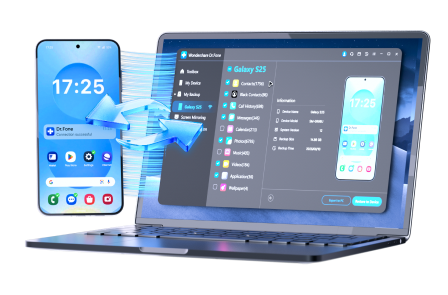
 Easily manage data through preview, delete, export, etc.
- Transfer all data between devices.
- Robust backup solutions for reliable data protection.
- Mirror screens to PC for meetings, teaching, and control.
Decision points:
- If you can still access the phone … back up your data first before deeper troubleshooting or resets.
- If you forgot the passcode … use official Apple account recovery and device restore methods; consider tools only for legitimate access and data management where permitted.
- If the device is stuck or unstable … consider a reputable iOS repair approach and confirm you have recent backups before attempting fixes.
5-2. Security, privacy, and compliance notes
Emergency SOS exists to protect users and enable fast access to emergency services; “SOS Only” reflects network-level constraints that can affect safety. If your iPhone is account-bound (Apple ID, Activation Lock) or you’re dealing with a device you don’t own, stop and use official ownership verification steps (proof of purchase, Apple Support, and the original owner’s Apple ID). Avoid any method that attempts to bypass security controls—those protections are designed to prevent unauthorized access and theft-related misuse.




Conclusion
SOS Mode on iPhone usually means Emergency SOS (quickly contacting emergency services and sharing key info) or the “SOS Only” signal state (limited network service). It matters because it can reduce response time in urgent moments, and the safest next step is to review Settings > Emergency SOS, set up Medical ID and Emergency Contacts, and use official Apple support paths for account or connectivity issues.
FAQ
-
What is SOS Mode on iPhone?
It commonly refers to Apple’s Emergency SOS feature for quickly calling emergency services and optionally notifying emergency contacts. Some users also mean the “SOS Only” status shown when normal cellular service isn’t available. -
What does “SOS Only” mean on iPhone?
It usually means your iPhone can’t connect to your carrier for regular calls/data, but it may still be able to place emergency calls through available networks, depending on coverage and regional support. -
Is Emergency SOS the same as calling 911/999/112?
Emergency SOS is a shortcut and workflow that helps you place an emergency call to the local emergency number and may provide additional options like notifying emergency contacts, depending on settings and region. -
How do I find Emergency SOS settings on iPhone?
Go to Settings > Emergency SOS. You can also use the Settings search bar and type “Emergency SOS”. -
Will Emergency SOS work without cellular service?
Standard emergency calling typically requires cellular connectivity. In some supported regions and on certain iPhone models, Apple offers satellite emergency options, but availability depends on device, iOS version, and location conditions. -
Can I “test” SOS Mode safely?
You should not place real emergency calls just to test. Instead, verify your setup (Emergency Contacts, Medical ID, Location Services) and review the trigger instructions in Settings > Emergency SOS. For guidance on safe testing options, check Apple’s official support resources for your region.
 Add Wondershare Dr.Fone as a preferred source on Google